

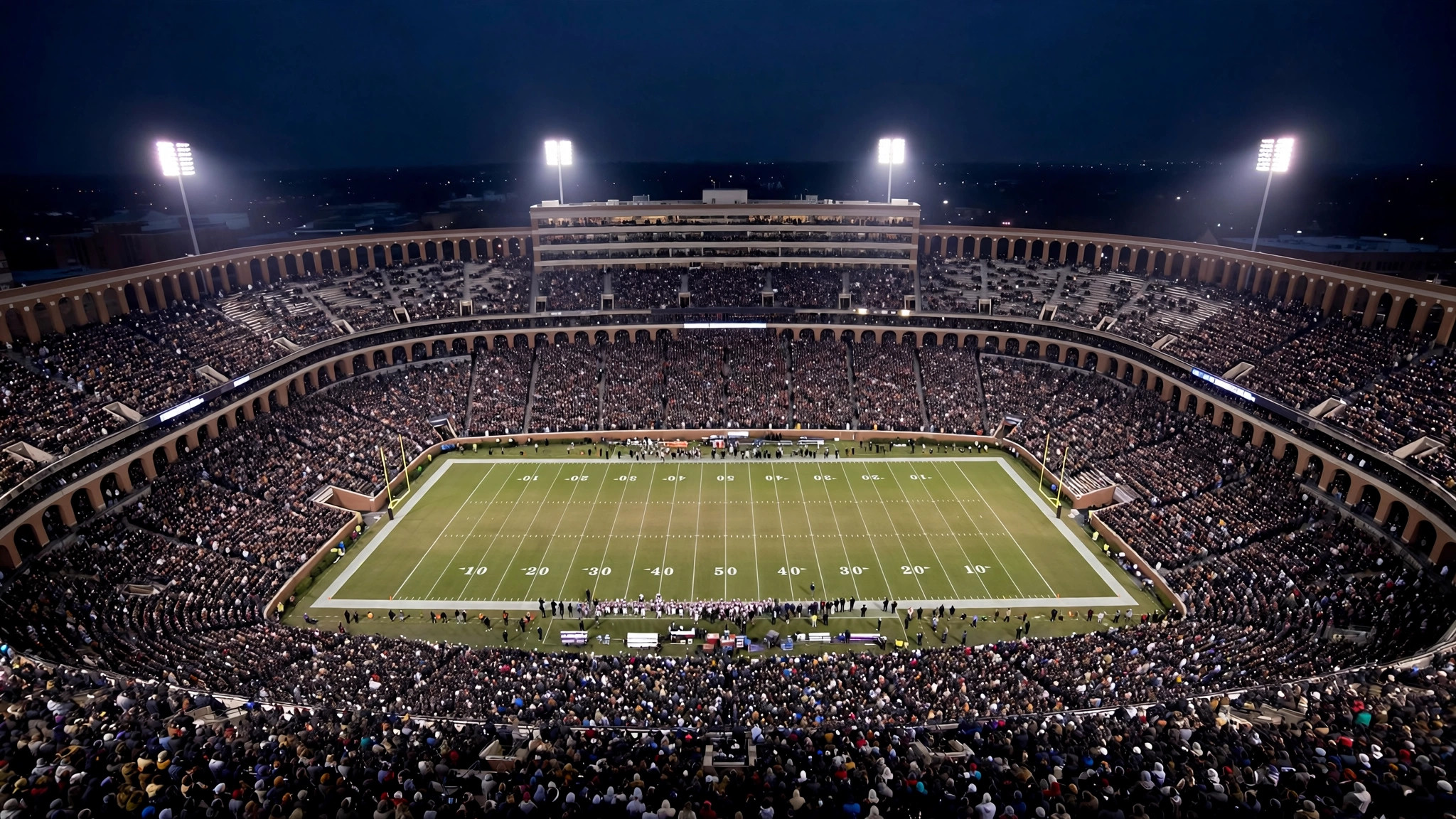
Some rivalries are built on geography. This one was built on attitude. Notre dame vs miami is the matchup that gave college football one of its most famous nicknames, one of its most replayed finishes, and a decade of genuine bad blood between two proud programs. The Fighting Irish brought tradition, a national following, and the weight of history. The Hurricanes brought speed, swagger, and a chip on their shoulder the size of South Florida.
The best part? The games usually lived up to the talk. From the one-sided early years to the explosive 1980s and the long pauses that followed, notre dame vs miami has always felt bigger than a normal nonconference game. This guide walks through how the rivalry started, why the 1988 meeting still defines it, what made the two programs clash so perfectly, and how fans can follow the next chapter whenever these two share a field again.
Notre Dame vs Miami: How the Rivalry Started
The series began in 1955, and for a long stretch it looked like a mismatch rather than a rivalry. Notre Dame was already one of the sport’s blue bloods, with a national schedule, a huge television following, and decades of winning behind it. Miami was still building its identity, playing ambitious schedules but rarely threatening the sport’s established powers over a full season.
Through the 1950s, 1960s, and most of the 1970s, the Irish controlled the matchup. Miami managed only rare breakthroughs, and many meetings were comfortable Notre Dame wins. A scoreless tie in 1965 showed how defensive those early games could be, back when low-scoring football was the norm and every yard against the Irish felt earned.
What changed everything was Miami’s rise in the early 1980s. The Hurricanes stopped being a scheduling curiosity and became a national power almost overnight, winning with speed, confidence, and a style that felt nothing like traditional Notre Dame football. Once Miami started winning the games — and winning them loudly — the series stopped being a history lesson and became a fight.
The 1980s Turned Up the Heat
Between 1983 and 1987, Miami flipped the rivalry on its head. The Hurricanes won four of five meetings in that stretch, and the manner of the wins mattered as much as the results. Miami played fast, talked freely, and celebrated without apology. To Notre Dame fans, it felt like disrespect aimed directly at one of the sport’s most traditional programs.
Nothing poured more fuel on the fire than Miami’s 58–7 win in 1985. A blowout that lopsided, against Notre Dame, on a national stage, was the kind of result people remembered for years. The Irish changed coaches afterward, and the program Lou Holtz was building in South Bend was shaped in part by the desire to answer exactly that kind of humiliation.
By 1987, Miami shut out Notre Dame 24–0 on its way to a national title, and the balance of power looked completely reversed. The Hurricanes were the standard. The Irish were the proud former kings trying to fight their way back. That tension — old order against new wave — is what made the next meeting unforgettable.
Catholics vs Convicts: The 1988 Classic
On October 15, 1988, top-ranked Miami visited Notre Dame Stadium to face the fourth-ranked Irish, and the game delivered everything the buildup promised. A T-shirt slogan made by Notre Dame students — “Catholics vs. Convicts” — had spread through the national media, turning the matchup into a cultural argument about style, image, and what college football was supposed to be.
Both teams arrived undefeated. Miami carried a 36-game regular-season winning streak. There was even a pregame scuffle in the tunnel, which tells you exactly how much warmth the two sides felt for each other. The game itself swung back and forth until Notre Dame held a 31–30 lead in the final minute.
Miami scored late to pull within one point, and instead of kicking the extra point to tie, the Hurricanes went for two and the win. The pass was batted down, Notre Dame held on 31–30, and the Irish went on to finish the season unbeaten and win the national championship. For the full documented history of the series, the Miami–Notre Dame rivalry page on Wikipedia keeps a season-by-season record of every meeting.
Ask older fans on either side about notre dame vs miami and this is still the game they describe first: the noise, the nerves, and a single point separating two teams that genuinely could not stand losing to each other.
The Games That Kept the Fire Burning
The rivalry did not cool down after 1988 — it simply changed hands. In 1989, Miami answered by beating Notre Dame 27–10 and ending the Irish’s long winning streak, a result that restored bragging rights in Coral Gables and reminded everyone that one classic game does not settle anything between programs this proud.
In 1990, Notre Dame won the rematch 29–20 in South Bend, in what turned out to be the final regular-season meeting for two decades. The series then went quiet, not because the interest disappeared, but because schedules, conferences, and priorities changed. When the teams finally met again in later years, including postseason and modern nonconference meetings, the old nickname came right back with them.
Here are the meetings most fans still talk about:
- 1955: The first meeting, starting a series that took decades to truly ignite
- 1985: Miami’s 58–7 rout, the blowout that hardened feelings on both sides
- 1988: The 31–30 Catholics vs. Convicts classic at Notre Dame Stadium
- 1989: Miami’s 27–10 win, ending Notre Dame’s winning streak
- 1990: Notre Dame’s 29–20 win, the last meeting before a long pause
That short list explains the rivalry better than any trophy could. There is no trophy, by the way. The prize in notre dame vs miami was always pride, reputation, and the right to talk until the next meeting.
Two Stadiums, Two Identities
Part of the magic is the contrast in settings. Notre Dame Stadium in South Bend is one of the most traditional venues in American sports, a place where the rituals, the band, and the history are part of the attraction. A big home game there feels like a ceremony that happens to include football.
Miami’s home environments have always carried a different energy: louder, looser, and proudly South Florida. When the Hurricanes were rolling in the 1980s, their home field advantage came with an edge that visiting teams talked about for weeks. Putting these two programs in either building guaranteed an atmosphere, because each crowd believed its way of doing college football was the right one.
That contrast still shapes how fans plan around the fixture today. If you are mapping out a season, pairing this matchup with a look at the Notre Dame football schedule helps you see where a Miami game would sit among the Irish’s other marquee dates.
What Makes This Matchup Different
Most rivalries need a shared border or a shared conference. Notre dame vs miami had neither, and it worked anyway, because the conflict was about identity. Notre Dame represented continuity: the famous name, the subway alumni scattered across the country, the sense that college football history ran through South Bend.
Miami represented disruption. The Hurricanes were the new power that did not ask permission, did not tone anything down, and seemed to enjoy being cast as the villain. Neutral fans picked sides in this rivalry the way they pick sides in a movie, which is why the games drew huge audiences even from people with no connection to either school.
If you enjoy the background of the sport itself, it pairs nicely with the story of who invented American football and how the game grew from campus tradition into a national spectacle. Notre Dame and Miami simply gave that spectacle two very different faces.
How to Watch and Follow the Next Meeting
Because the teams are not in the same conference, meetings are scheduled years in advance and announced well ahead of time. When a notre dame vs miami game is on the calendar, it is typically a national television window, with kickoff time and network confirmed closer to the season as part of the wider TV schedule announcements.
To follow the matchup like a prepared fan:
- Check both schools’ official athletics sites for the confirmed date, kickoff, and network
- Watch for ticket on-sale announcements early, because demand outruns supply fast
- Follow the weekly press conferences, where the historical questions always come up
- Revisit the classic games during the week — broadcasts love replaying 1988
It also helps to know your game-day basics before kickoff. A quick refresher on how long a football game actually lasts will save you from planning anything else for that afternoon, because a game with this much history rarely feels short.
Tickets and Game Day Tips
When these two meet, tickets are among the hardest to get in that season’s nonconference market. Face-value windows sell quickly, and the secondary market reflects the nostalgia attached to the matchup. Buying early, using official team exchanges where possible, and being flexible about seating sections are the practical moves.
On game day, arrive early. The pregame atmosphere is part of the product in this rivalry: the bands, the student sections, and the decades-old chants all build for hours before kickoff. Whether you are in South Bend or South Florida, plan your travel around heavy campus traffic, and expect the crowd to be a genuine mix of generations — grandparents who saw 1988 live, and students who only know it from highlight films.
One more tip: neutral fans should not stay neutral. Pick a side for the day. Notre dame vs miami is simply more fun when you are emotionally invested, and both fan bases will happily recruit you.
Notre Dame vs Miami FAQ
When was the most famous Notre Dame vs Miami game?
October 15, 1988, at Notre Dame Stadium. The fourth-ranked Irish beat top-ranked Miami 31–30 in the game known everywhere as Catholics vs. Convicts.
Where did the Catholics vs. Convicts name come from?
It began as a T-shirt slogan created by Notre Dame students before the 1988 game, playing on Notre Dame’s Catholic identity and Miami’s outlaw public image at the time.
When did the rivalry begin?
The teams first met in 1955. Notre Dame dominated the early decades before Miami’s rise in the 1980s turned the series into a genuine heavyweight fight.
Is there a trophy for the winner?
No. Unlike many famous rivalries, this series has never been about a trophy. The stakes were rankings, pride, and national bragging rights.
Do the teams play every year?
No. As nonconference opponents, they meet only when the schools schedule each other, which is why every renewal of notre dame vs miami draws so much attention.
Final Thoughts
Some matchups are famous because they happen every year. Notre dame vs miami became famous because, for one heated stretch, it captured the whole argument about what college football should look and feel like. Tradition against swagger. South Bend against South Florida. A one-point game that people still argue about nearly four decades later.
That is why the rivalry never really fades, even during the long gaps between meetings. The highlights age well, the nickname never dies, and every time the fixture reappears on a schedule, the sport pays attention. Whenever the Irish and the Hurricanes line up again, you will not need anyone to explain the stakes. The history explains itself.
