

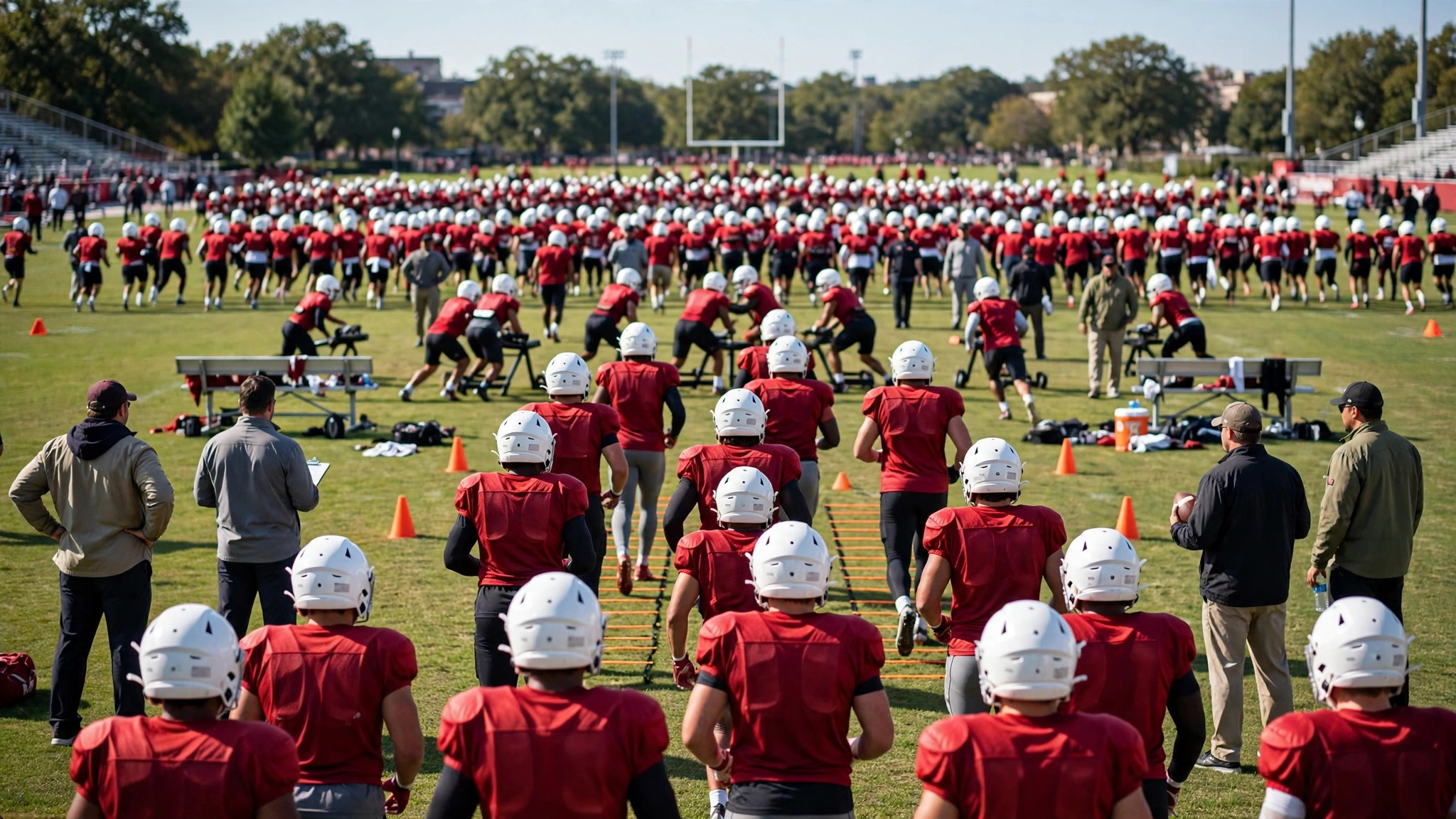
Every great Alabama season starts long before kickoff, in the construction of the alabama football roster. Championships are often described as if they are won on three or four famous Saturdays, but the truth is more patient: they are built in recruiting rooms, weight rooms, and practice fields, one roster spot at a time. This guide explains how the alabama football roster is assembled, how to read it like a coach, where to check the official version, and why the names at the bottom of the depth chart matter more at Alabama than almost anywhere else in college football.
Alabama Football Roster: Where to Check the Official Version
Start with a rule that will save you endless arguments: the only fully reliable alabama football roster is the official one published by the program on its athletics site, RollTide.com. That is where jersey numbers, positions, heights, weights, class years, and hometowns are maintained by the staff itself. Media outlets and recruiting sites keep helpful copies, but numbers change, positions shift during camp, and walk-ons earn spots that outside lists miss for weeks.
Check the official roster at three moments each year. Check it in the spring, when early enrollees and transfers first appear and position changes get tested. Check it again in fall camp, when the staff settles the two-deep and freshmen either earn real roles or head toward development years. And check it just before the opener, because the version published for game week is the closest thing to the truth you will get. Comparing those three snapshots tells the story of the offseason better than any rumor thread.
For the dates those players will actually take the field, pair your roster checks with our guide to the Alabama football schedule.
How the Roster Is Built: Recruiting, Portal, and Development
A modern roster is built in layers, and Alabama works every layer at once.
- High school recruiting: The foundation. Alabama recruits nationally and signs classes expected to produce starters two and three years later, not just headlines in February.
- The transfer portal: The repair kit. When a position thins out through injuries, graduations, or early NFL departures, the portal lets the staff add proven college players who can help immediately.
- Walk-ons and development: The culture layer. Players who arrive without scholarships compete for special teams roles, and Alabama’s history includes walk-ons who became genuine contributors.
- Retention: The quiet layer. Keeping your own talented players from entering the portal is now as important as signing new ones.
The balance between those layers is the real skill. Lean too hard on the portal and the locker room loses its homegrown core. Ignore it and one injury can expose a position for a whole season. The best Alabama rosters have a spine of developed veterans, a wave of elite young talent pressing them, and a small number of transfers filling exact needs. When you read the alabama football roster with that structure in mind, the list of names turns into a strategy document.
Reading the Roster by Position Group
Do not read a roster top to bottom. Read it by position group, and ask one question of each group: if the starter goes down in October, is the season still safe?
Quarterbacks. The most watched spot in the sport. Alabama usually carries a small group, mixing an experienced option with younger passers the staff is developing. What matters is not just arm talent but who has command of the offense, because the position touches every play.
Running backs and receivers. Alabama builds these rooms deep and rotates them. Fresh legs in the fourth quarter are a design feature, not a luxury, and the receiver room is where the program’s speed shows up most clearly on paper, in a mix of sizes built for different roles.
Offensive and defensive lines. This is where Alabama rosters are truly made. The program recruits size and depth relentlessly, because SEC seasons are won by the sixth, seventh, and eighth linemen as injuries pile up. When the alabama football roster lists multiple starting-caliber players across the front, November gets much easier.
Linebackers and the secondary. Alabama’s defensive identity lives here: versatile linebackers who can run, and defensive backs developed in waves, with special teams as their proving ground. Watch which young defenders climb through kick coverage first; that is the program’s traditional career path.
Specialists. Kickers, punters, and long snappers rarely headline a roster release, but Alabama fans know a season can turn on one kick in Baton Rouge or Knoxville. Check this group every year and know the names before you need them.
The Depth Chart Is a Different Document
Fans use the words roster and depth chart as if they are the same thing, but they answer different questions. The alabama football roster tells you who is on the team. The depth chart tells you who plays, in what order, if the game started today. Programs release official depth charts during the season, usually with each game-week release, and those documents are gold for fans who want to understand the staff’s real evaluations instead of recruiting rankings from two years ago.
Read the depth chart with a few habits. Note the word “or” between names, which usually means a genuine camp or weekly competition. Note where true freshmen appear, because a freshman in the two-deep at Alabama has beaten out veterans, which says a lot. And note the special teams listings, where future starters announce themselves a year early. Our viewing guide for Alabama Crimson Tide football vs Oklahoma Sooners football is a good example of a game where road depth, not just star power, tends to decide the fourth quarter.
Numbers, Classes, and What They Tell You
The details printed beside each name are a scouting report in miniature. Class year shows you the roster’s age curve: a team loaded with juniors and seniors is built to win now, while a roster leaning on sophomores is talented but still growing. Height and weight, tracked year to year, reveal development; players who add good weight between freshman and junior seasons are usually the ones the strength staff brags about, and that growth shows up first in the trenches.
Jersey numbers carry their own fun. Duplicates are allowed in college football as long as the two players are not on the field together, which is why you will see the same number on an offensive starter and a defensive starter. And when a number suddenly changes hands, or a player switches positions in the official listing, that tiny line in the alabama football roster is often the first public sign of a plan the staff has been working on for months.
Why Depth Decides Alabama’s Season
Every program says next man up. Alabama has built a century of evidence for it. The program claims 18 national championships, and the modern title teams shared one trait more than any formation or play call: when stars got hurt, the replacements played like starters, because in practice they had been prepared like starters. Bryant-Denny Stadium crowds of just over 100,000 do not intimidate visiting teams half as much as the sight of Alabama rotating fresh future pros in the fourth quarter.
That is the real lesson of the alabama football roster for a fan. Do not just learn the stars. Learn the second unit on the offensive line, the third cornerback, the freshman returning kicks. Those are the players who will decide a road game in November, and knowing them early makes you the smartest fan in your group chat. For a sense of the stages where those players perform, the guide to Alabama Crimson Tide football vs Indiana Hoosiers football shows the kind of big-game setting where roster depth gets tested hardest.
The Annual Roster Calendar, Explained Simply
The roster is not one document released once a year. It is a living thing with a calendar of its own, and knowing the calendar helps you read every update in context. In winter, the early signing period and the first portal window reshape the team, as departing seniors and NFL-bound juniors leave and new faces arrive for spring practice. The roster you see in January is a rough draft, exciting and incomplete in equal measure.
Spring practice gives that draft its first real test. Position changes appear, early enrollees either flash or settle into development tracks, and the spring roster update quietly removes some names and adjusts others. Summer is quieter in public but busy in reality, as late signees and graduate transfers arrive and the strength program does its work. Fall camp is where the document becomes honest. By the time the season roster is published for the opener, nearly every name, number, and position has survived months of evaluation.
The in-season rhythm is smaller but steady. Weekly depth charts adjust for injuries and performance, a player who shines on special teams climbs a spot, and redshirt decisions, which determine whether a young player preserves a year of eligibility, get made with the future in mind. Understanding that calendar is the difference between reading roster news and understanding it. A March roster move is an experiment. An October roster move is an answer.
Frequently Asked Questions
Where is the official Alabama football roster published?
On the program’s athletics site, RollTide.com, where the staff maintains numbers, positions, class years, and bios for every player.
What is the real difference between the roster and the depth chart?
The roster lists everyone on the team. The depth chart, released during the season, shows the playing order at each position if a game started today.
How is the roster built each and every year?
Through high school recruiting as the foundation, the transfer portal for immediate needs, walk-on development, and retention of the program’s own players.
Why does Alabama’s famous depth matter so very much?
SEC seasons are wars of attrition. Alabama’s title teams have consistently replaced injured starters with prepared, starter-level backups.
Should I really trust roster copies on other sites?
Use them for convenience, but verify numbers and positions against the official roster, especially during spring and fall camp when changes happen weekly.
Conclusion
A roster looks like a list. At Alabama, it is closer to a blueprint. Read the official alabama football roster in the spring, in camp, and on game week; study it by position group; learn the depth chart’s quiet messages; and pay attention to the young players climbing through special teams. Do that, and you will see Alabama’s next season taking shape before the rest of the country notices. That is how the standard renews itself, one carefully built roster at a time, season after season, class after class, without ever really starting over.
